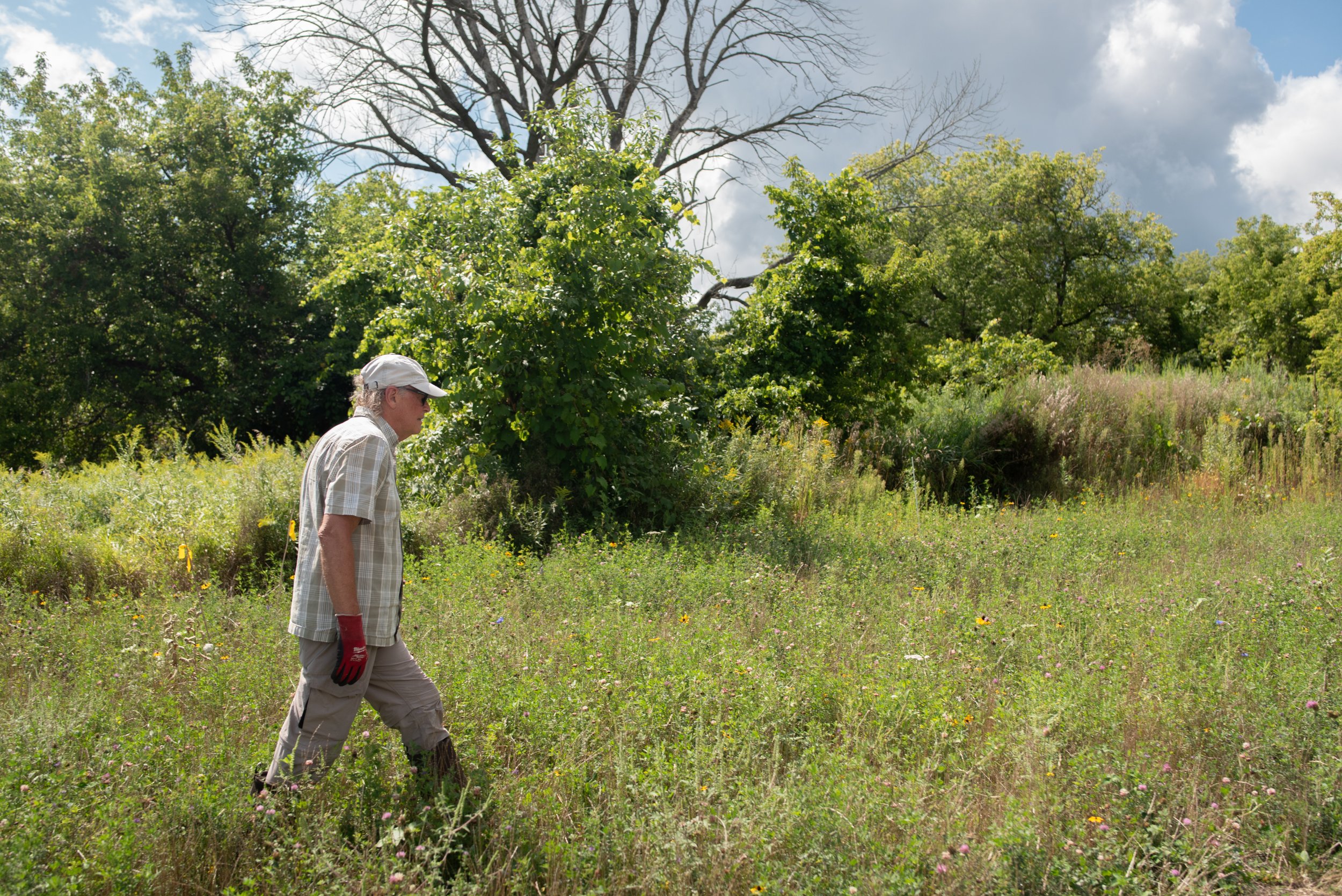
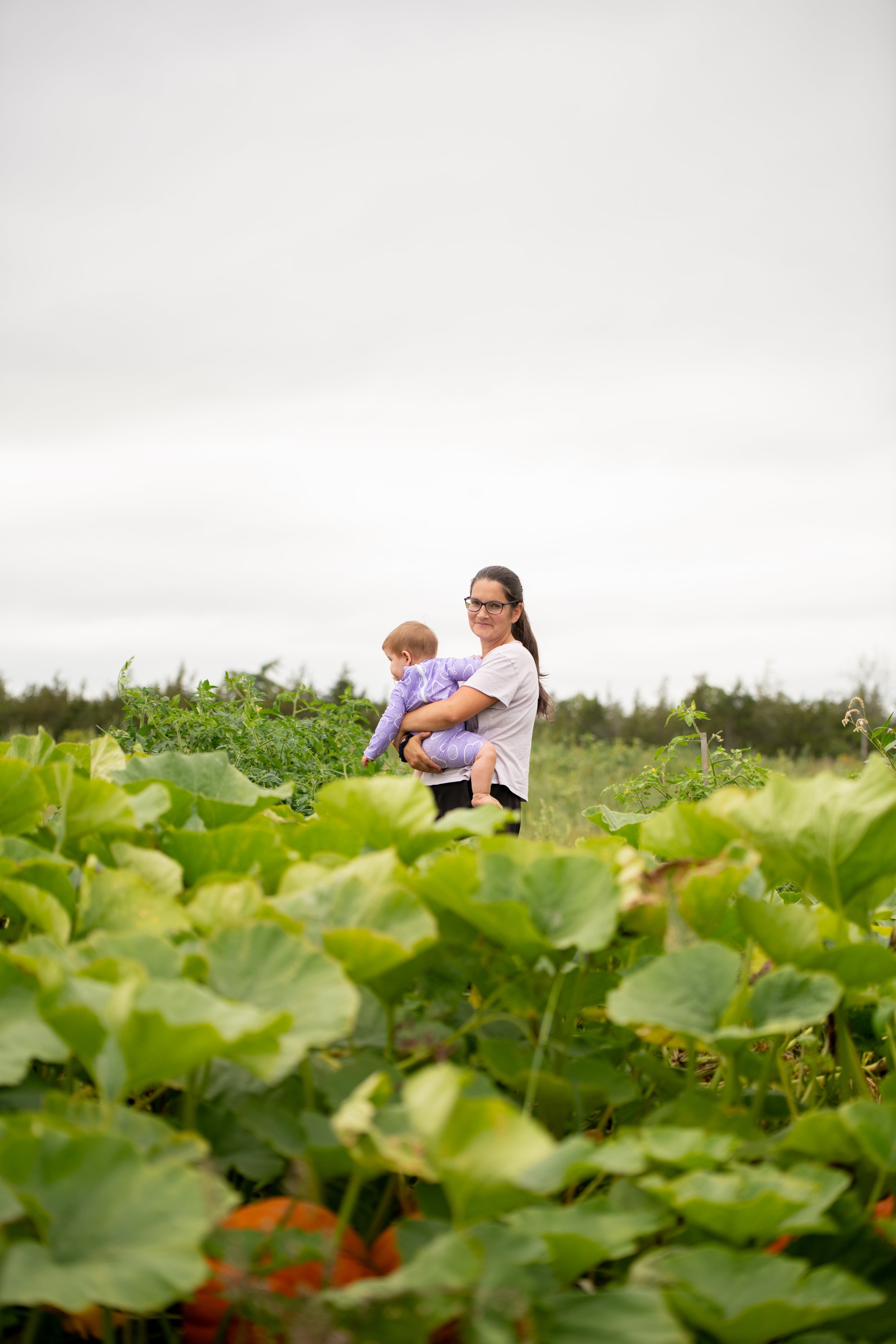
My first photo essay for The Narwhal is very near and dear to my heart: this summer, I got to spend several days on the land with naturalists, gardeners, youth, and community members learning about the history and land restoration efforts at the site for the Tsi Tyónnheht Onkwawén:na Language and Cultural Centre in Tyendinaga Mohawk Territory. The new centre houses all ages of Kanyen’kéha immersion and part-time language classes.
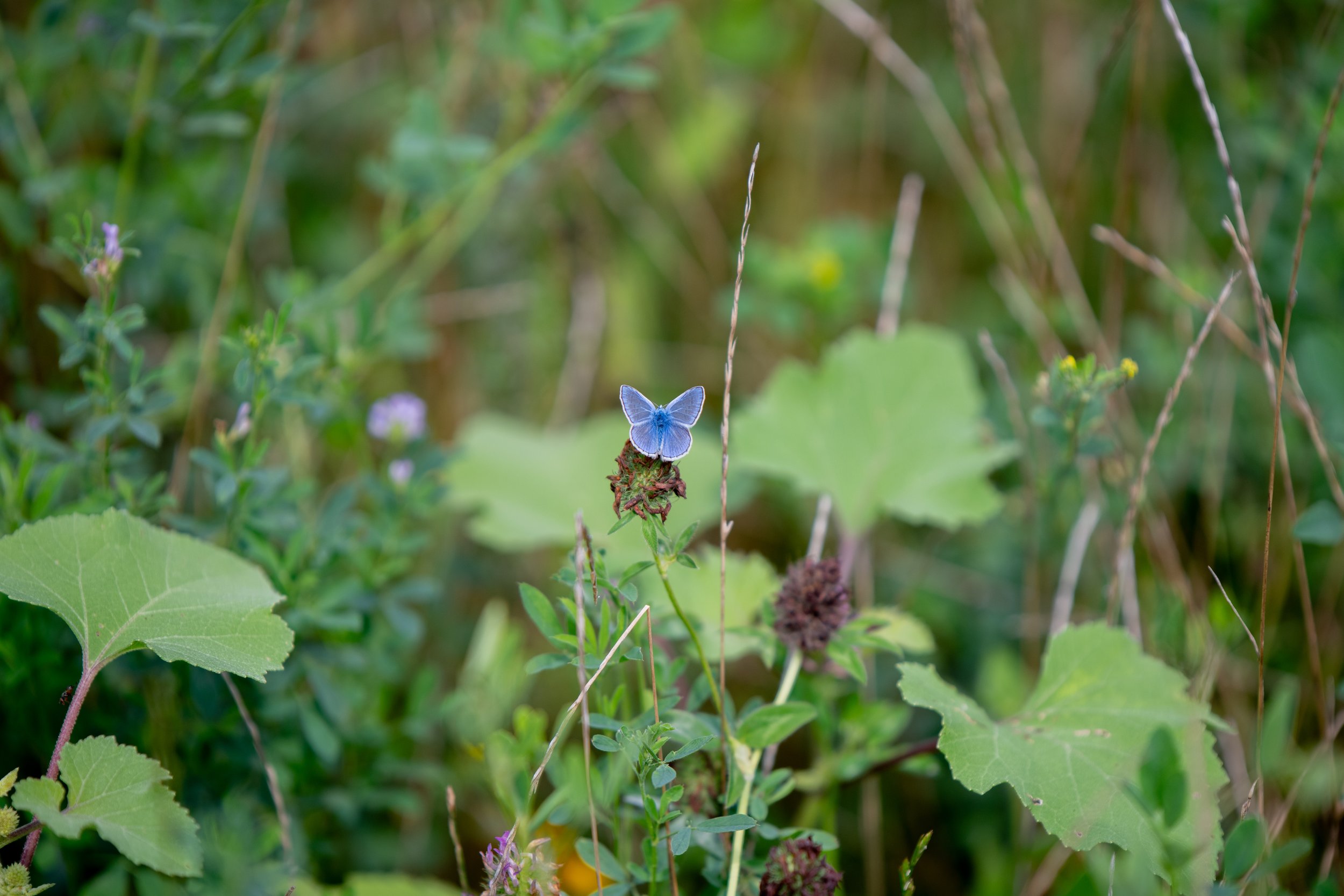
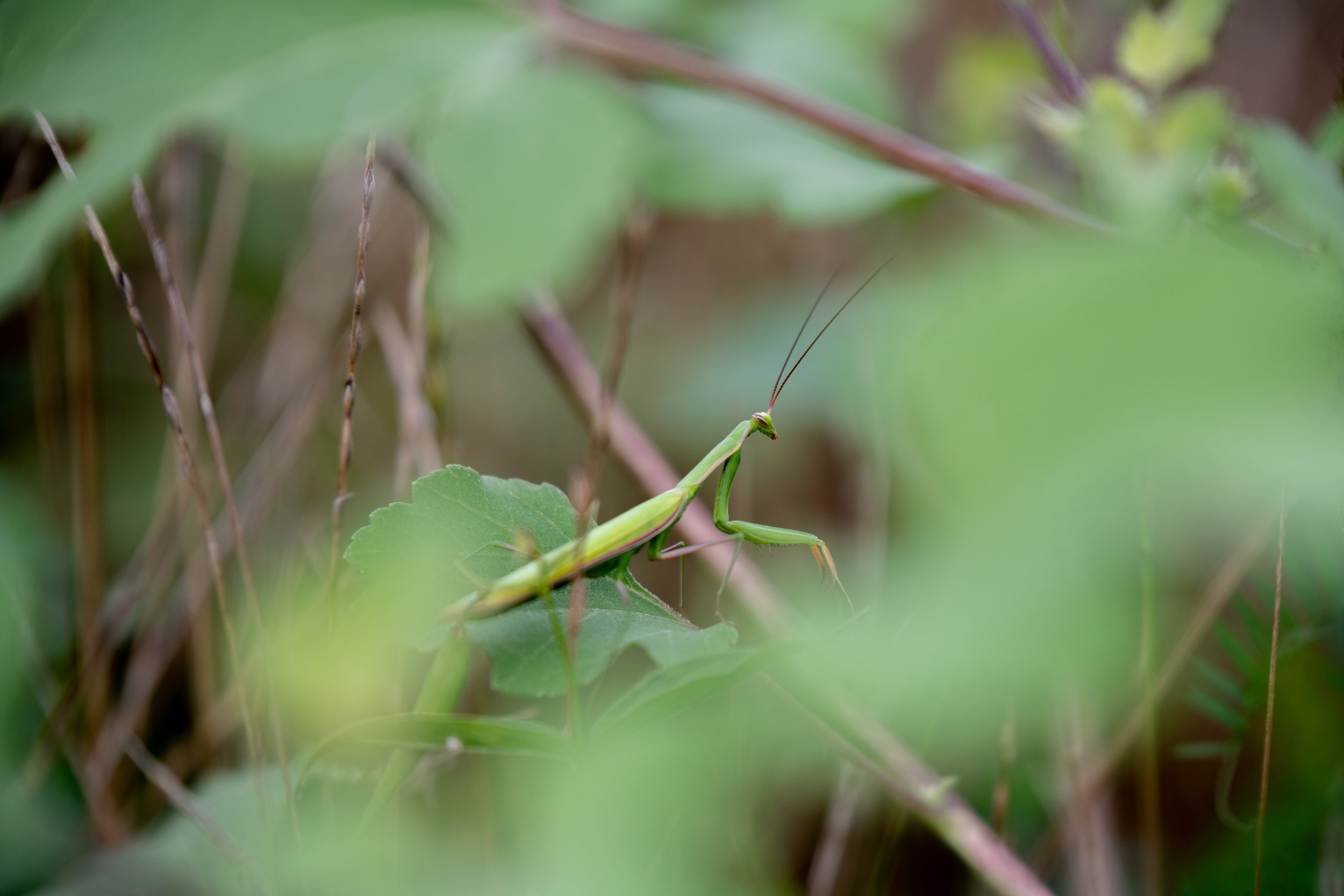
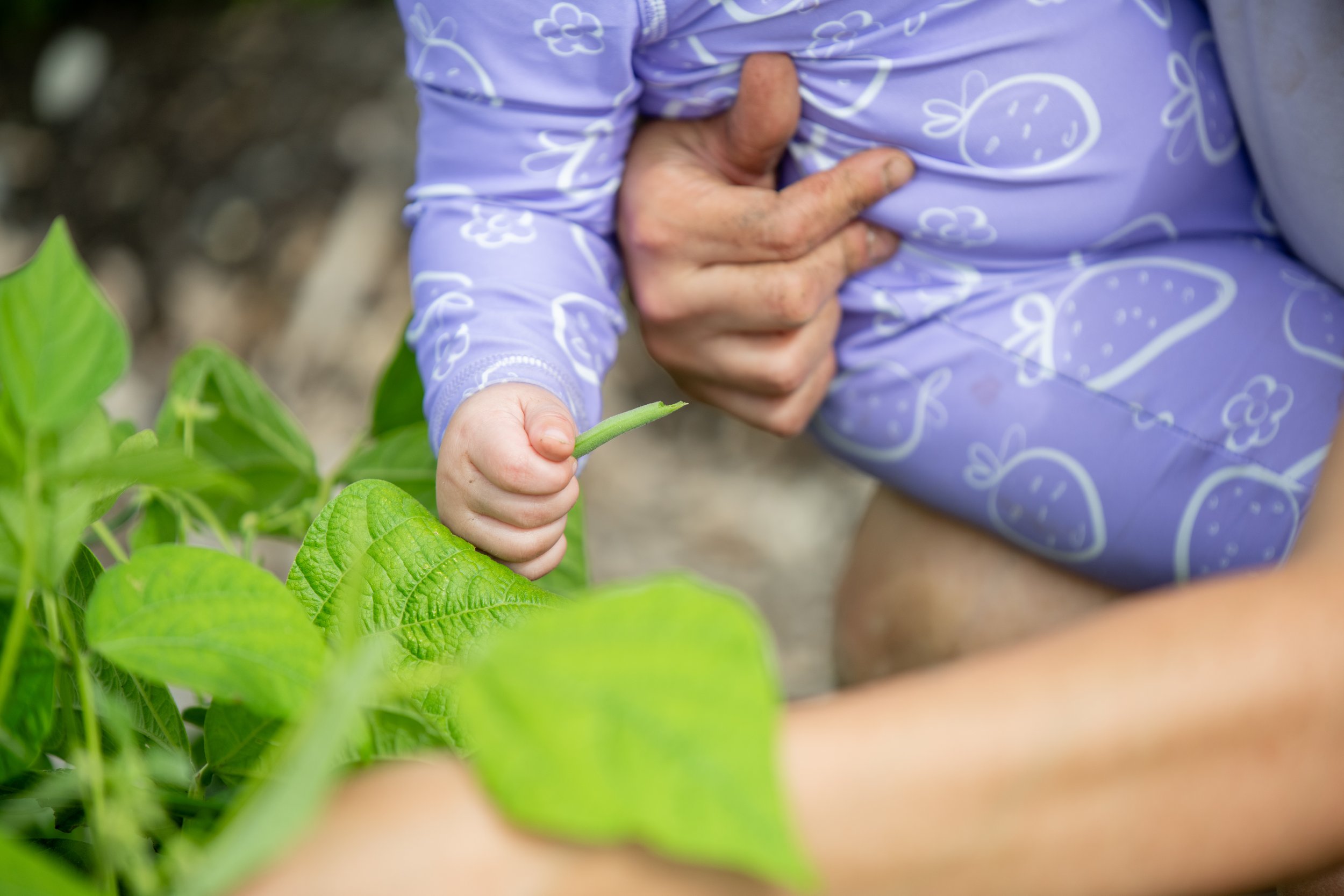
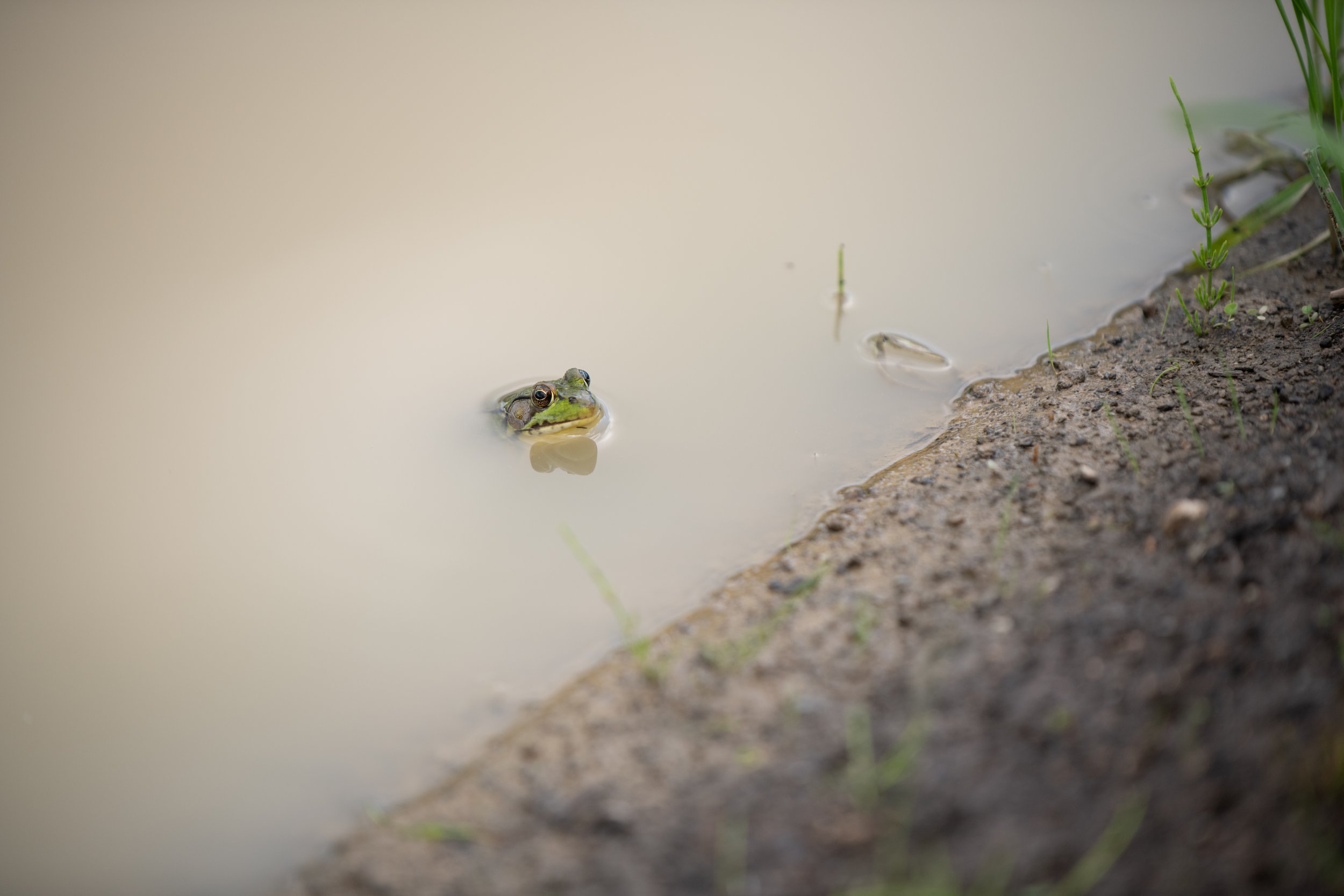
The land restoration team has been busy creating spaces on the land for learning: trails throughout the forest, vegetable gardens, outdoor classrooms, while also cultivating shelter for more-than-human relatives such as a vernal pond for frogs and salamanders, stone hibernacula for snakes, and nesting boxes for birds.
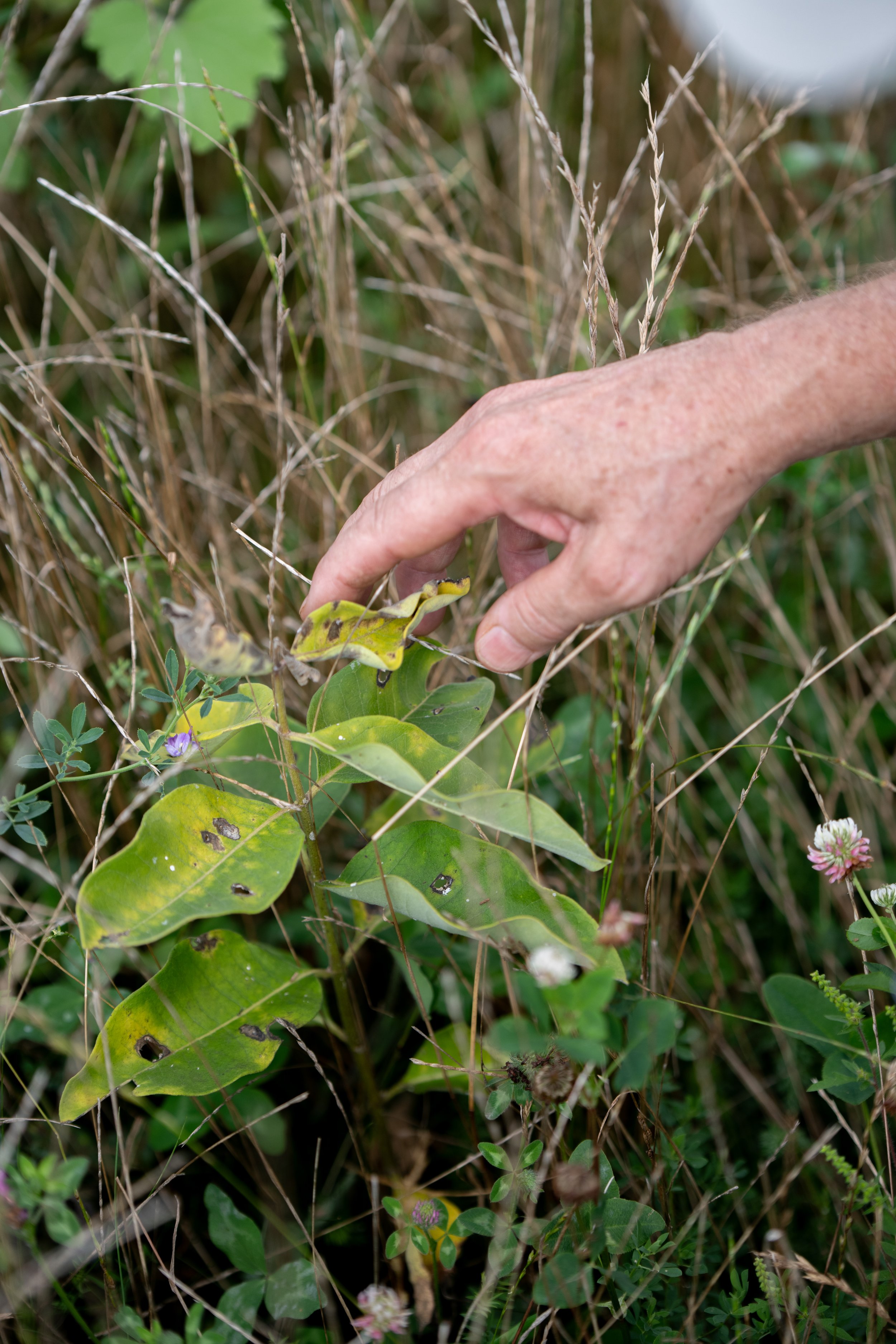
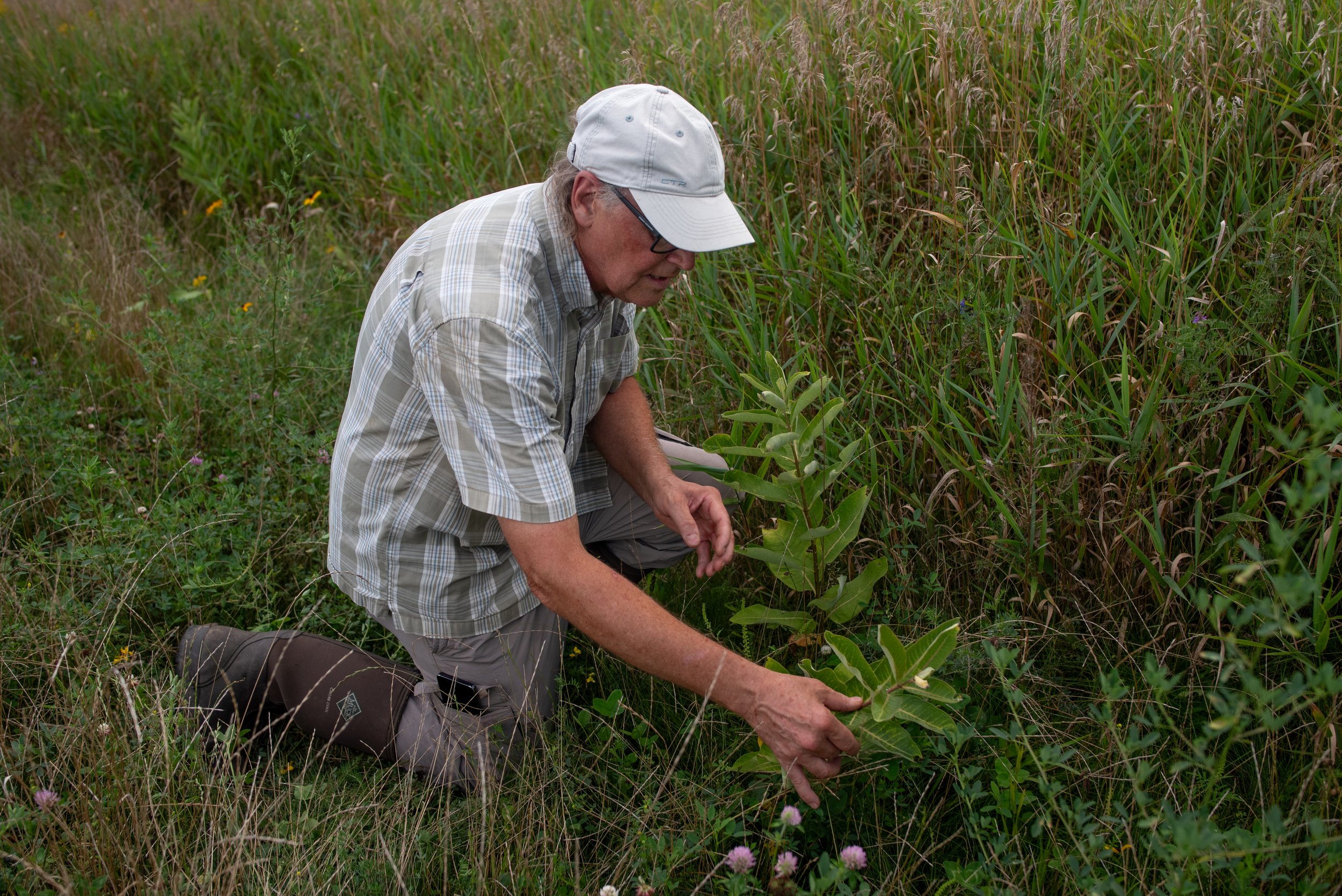
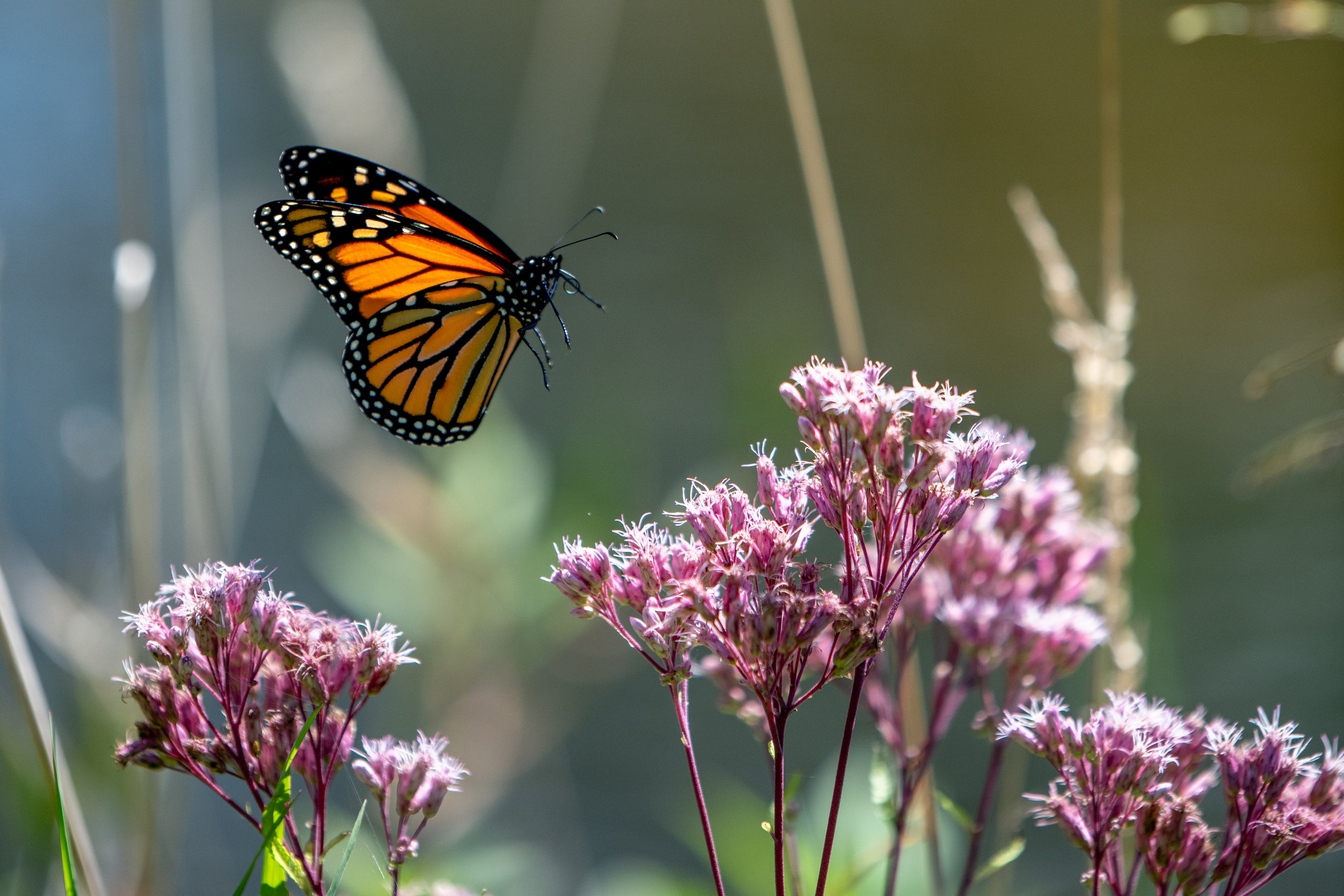
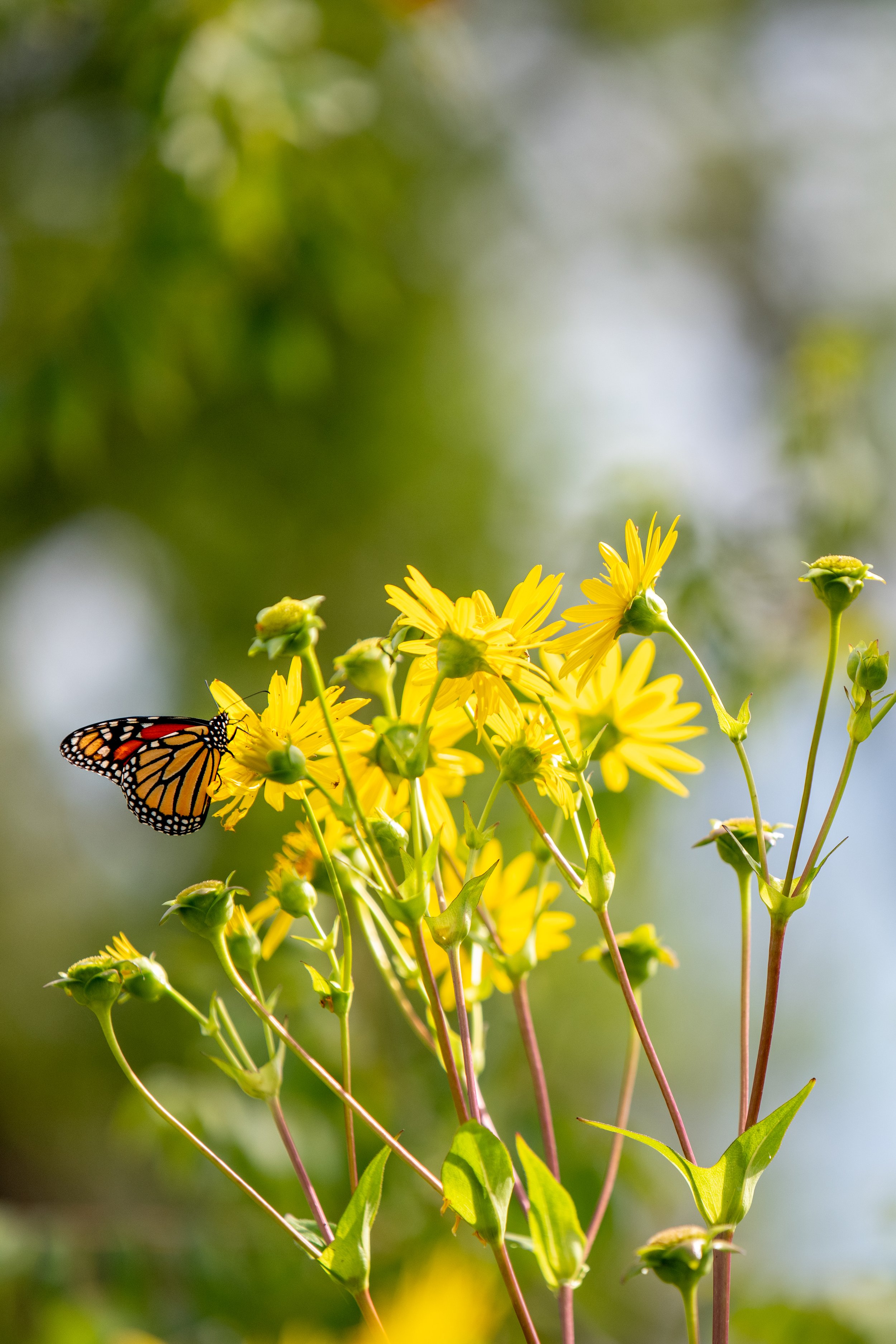
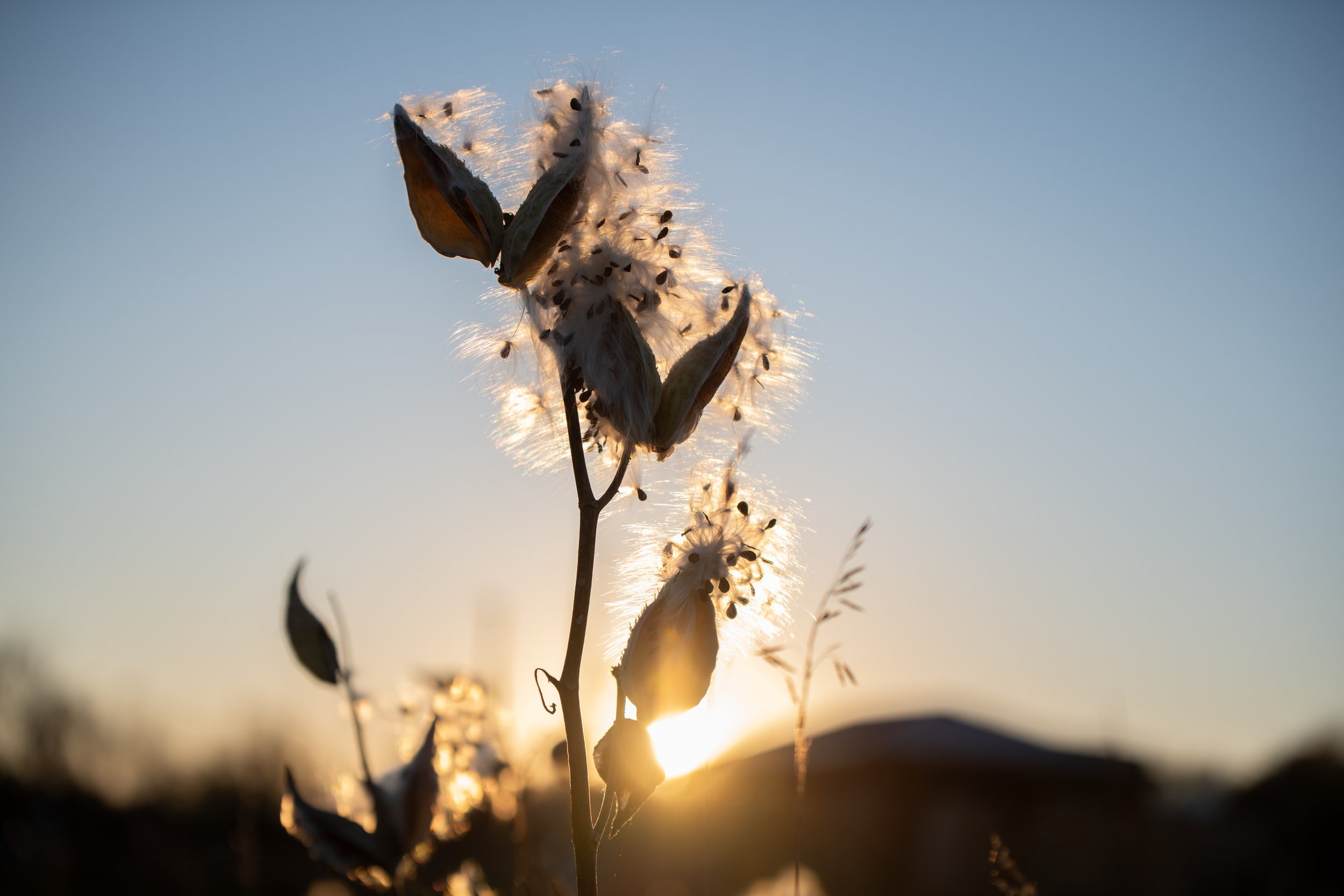
The project grew from the desire to restore the lands and surrounding ecosystems to the same or better condition than before they were disrupted by the building’s construction. Amongst many other plantings, returning the once abundant milkweed and monarchs to the property became a main area of commitment.
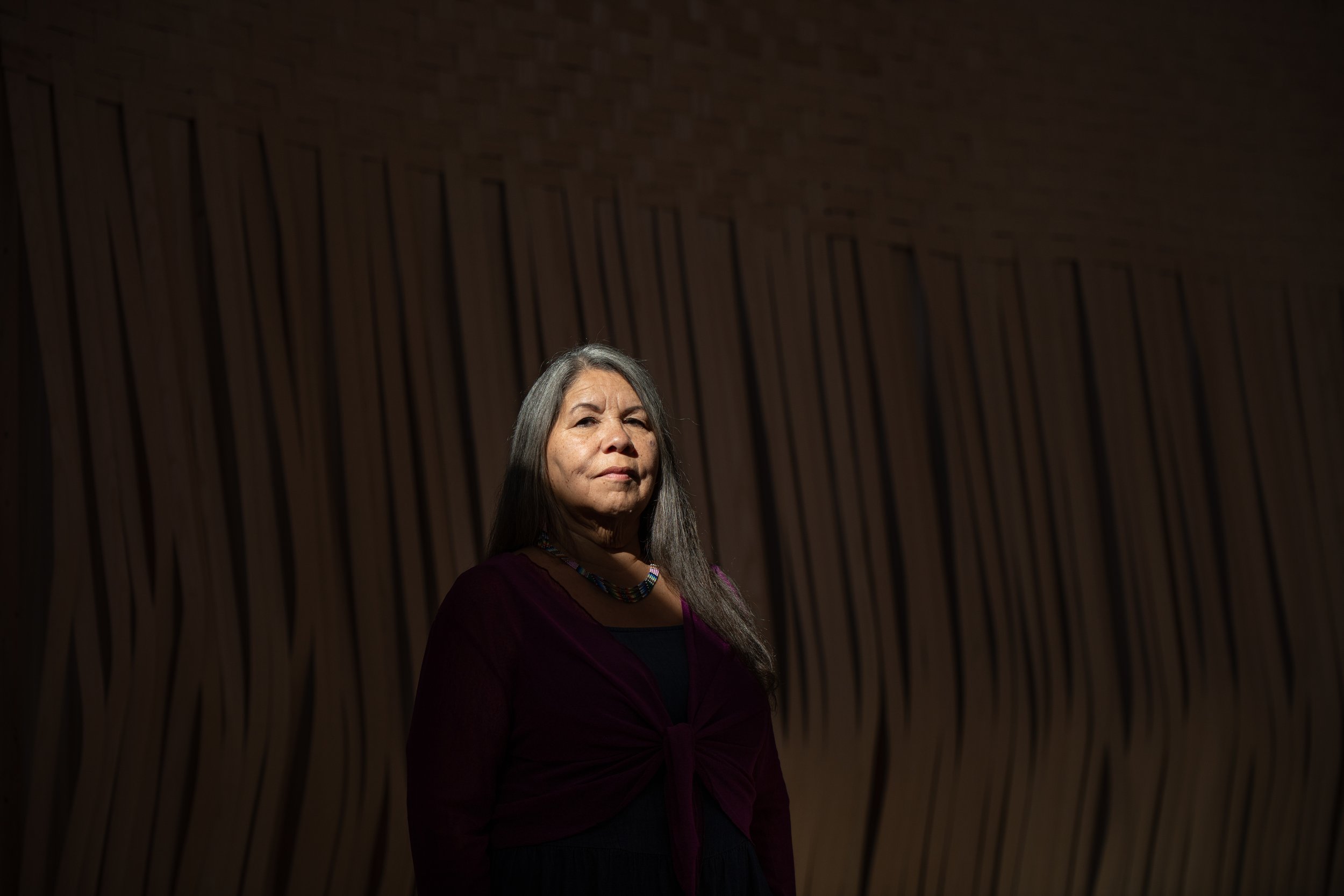
Throughout this project, community members Rahkaratáhkwas and Kayenté:ri have been working alongside naturalists Hilbert Buist, Luke Howie, and Rena Upitis from Wintergreen Studios and youth hired through a partnership with Focus Forward for Indigenous Youth.
While many approaches to land management start with the idea that humans have all the answers, the team has spent time responding to what the land has to share with them. “We’ve tried our best to pick up those cues about what’s happening already in the landscape because we don’t necessarily know any better than nature herself,” says Luke Howie.
Read the full story HERE
We also included audio recordings of Kan'yen’kéha words within the story: